Afterlives
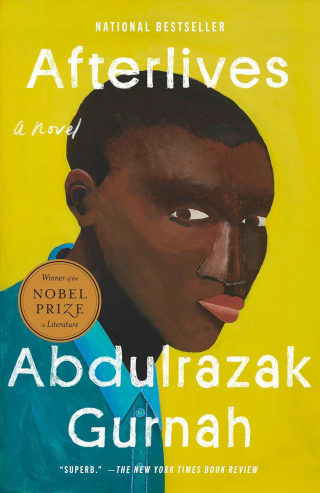
About the book
In Afterlives, Abdulrazak Gurnah returns to Tanzania and the wider Swahili Coast to explore how colonialism rearranged lives long after the colonisers themselves moved on. Beginning under German rule in the early twentieth century, the novel follows characters bound together by war, servitude, love, and fragile hopes for dignity.
Critics have praised the book’s restraint and moral precision: violence is rarely sensationalised, yet its consequences echo through generations. Cities and coastal towns appear not as exotic settings but as contact zones—where empire, commerce, and intimacy collide. Read this if you want to understand East Africa beyond simplified colonial narratives, through lives quietly marked by history and still insistently human.
Ilyas is taken from his family by German colonial troops and, on returning years later, finds his parents gone and his sister Afiya missing. Hamza, sold into the army, returns seeking work and Afiya. Young men are forced into fighting in World War I, which brings devastation to East Africa. Eventually, they come back to their childhood homes.